A Reason to Get Orthodontic Treatment – Crooked Teeth Are Harder to Clean
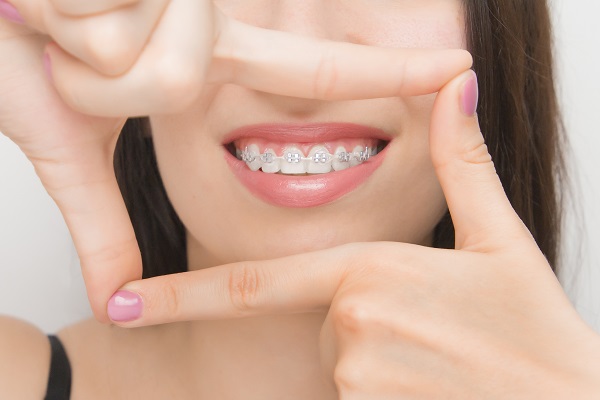
Orthodontic treatment is offered by general dentists in an effort to correct abnormalities with the teeth and the jaw. Of course, crooked or crowding teeth can poorly affect one's ability to eat, smile, and even speak. Another aspect that most people do not realize is that oral hygiene can be extremely difficult too, which is why orthodontic treatment is so crucial. Keep reading to find out more!
Getting orthodontic treatment to improve oral hygiene routine
Below is a quick overview of why it may be a good idea to get orthodontic treatment when struggling with teeth cleaning. This information may be helpful to those who are having a hard time with oral hygiene.
The importance of oral hygiene
Oral hygiene is key at all times as it keeps the teeth and gums in good, healthy shape. Without oral hygiene, the teeth may decay, which can also poorly affect the gums by infecting them. Brushing, flossing, and rinsing are all key factors in a good oral hygiene routine; however, when the teeth are crooked, crowded, or gapped, it may be difficult to achieve a good routine.
How orthodontic treatment can help
When the teeth are struggling from crowding, crookedness, or gaps, it can be extremely difficult to clean the teeth in a proper manner. For example, some areas may be hard to reach, which can lead to build-up that turns into cavities. Orthodontic treatment can help make the teeth easier to clean by closing gaps, correcting crooked teeth, or evening out any crowding.
Oral hygiene during orthodontic treatment and after
Once orthodontic treatment begins, the general dentist can provide specific recommendations to help ensure that oral hygiene routines go smoothly. The orthodontic treatment type will determine the best oral hygiene routine. However, for the most part, it will be recommended to brush after every meal and to floss at least once a day. Rinsing is also a good idea to do after eating because it helps prevent a build-up of excess food debris that could turn into cavities.
Of course, it may be difficult to abide by the specific guidelines that the dentist provides due to crookedness, crowding, or the actual orthodontic treatment; however, it is advised to do as best as possible to ensure that the teeth remain healthy.
After orthodontic treatment is complete, it will be a lot easier to perform a solid oral hygiene routine. The intended result of orthodontic treatment is to have straightened and even teeth, which will make life a lot easier! Not only will oral hygiene be easier, but eating and smiling should be too. There should be fewer hard-to-reach areas, resulting in less of a chance that food will get stuck, thus preventing cavities from forming.
Talk to a general dentist
When in need of orthodontic treatment to make oral hygiene easier, the best thing to do is consult directly with a general dentist. The dentist can evaluate the crooked or crowding teeth and determine what type of orthodontic treatment is most suitable. From there, any questions or concerns can be appropriately addressed. To find out more about orthodontics or to get scheduled for an appointment, reach out today.
Request an appointment here: https://dentistofmontville.com or call Montville Smiles at (973) 302-2079 for an appointment in our Montville office.
Check out what others are saying about our dental services on Yelp: Orthodontic in Montville, NJ.
Related Posts
Has it been years since your last dental office visit? No matter what kept you from professional dental care, the best day to start taking care of your oral health is today. While you may feel nervous about this upcoming visit, understanding the initial appointment can reduce anxiety and build confidence about returning to a…
Have you been experiencing sensitive or bleeding gums? A trusted dentist can help diagnose and treat your soft tissues before minor irritation develops into long-term, serious oral health issues. If you are experiencing gum tenderness or bleeding while brushing, a professional evaluation can identify the underlying cause and effectively restore your gum health.Bleeding gums signal…
A dental bridge provides a reliable way to replace missing teeth, but understanding the indicators of dental bridge failure helps patients protect their long-term oral health. This prosthetic appliance consists of custom artificial teeth suspended between two or more supporting dental crowns. While these restorations restore chewing functionality and visual balance, structural complications can arise…
Are you trying to choose between clear braces or aligners? When considering teeth straightening treatment, many individuals want to find a balance between discreet treatment and predictable, long-lasting dental results. If you are ready for a better-aligned smile, the following highlights five important distinctions between these two options and how they can affect your daily…